Guides · Nomads Community
Water in Santa Teresa: Supply, Shortages and What Goes Down the Drain
How Santa Teresa’s water supply works, why shortages happen and why what you put down a sink or toilet matters to rivers and the sea
- Category
- guide
- Reading time
- 5 min
- Written by
- Flo
- About
- Santa Teresa, Puntarenas, Costa Rica
- Tags
- wastewater, environment
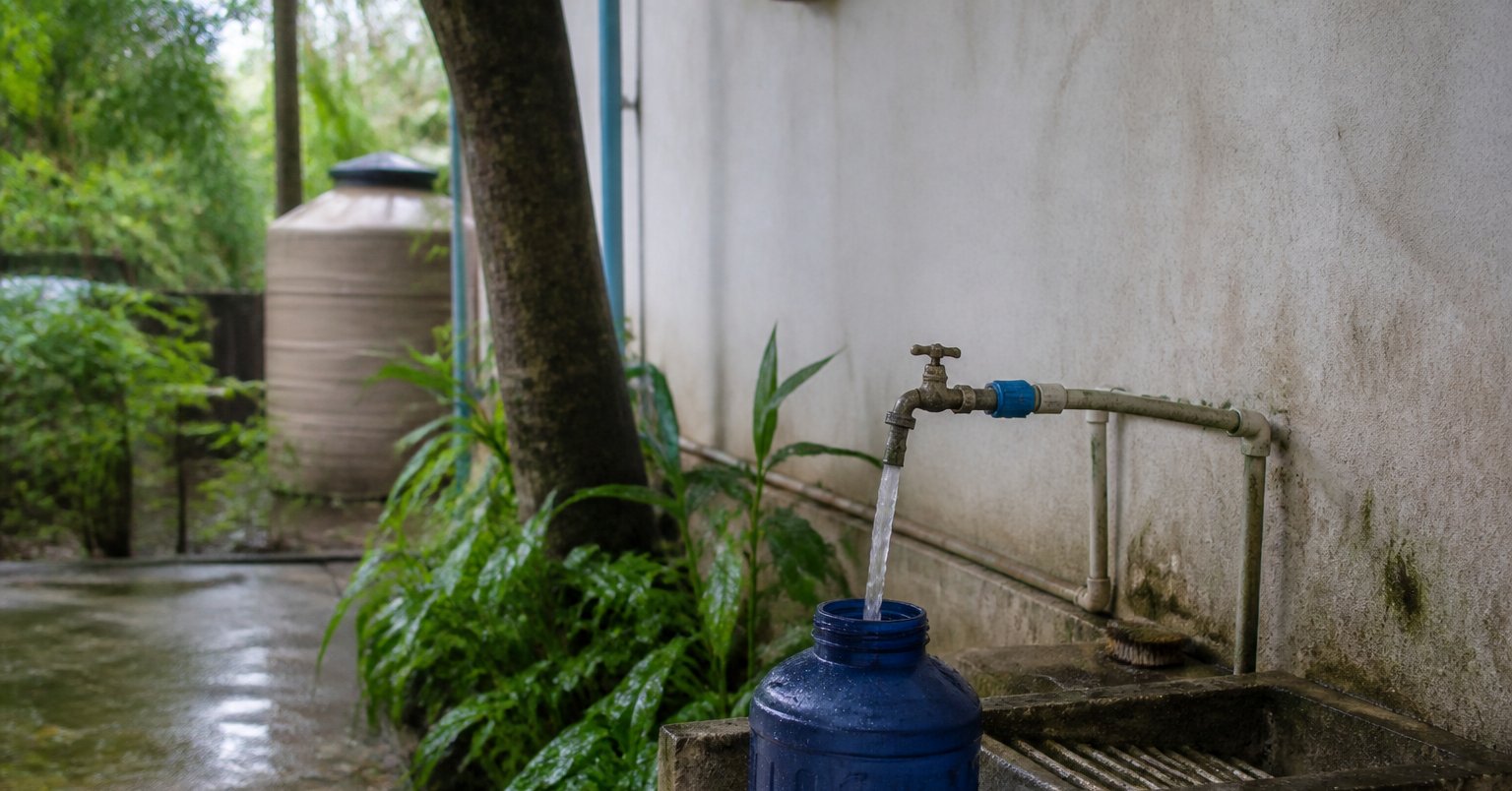
Water can feel abundant during a tropical downpour and scarce a few months later. Around Santa Teresa, much of the supply comes from wells and aquifers that are replenished by rain. When rainfall is low and demand is high, water availability comes under pressure.
The other half of the story is wastewater. Most properties are not connected to a centralized sewer and treatment network. Many use septic tanks or other onsite systems, with very different levels of maintenance and effectiveness.
The practical rule is simple: use water with care, and treat every drain as connected to the surrounding environment.
Rain is the starting point
Santa Teresa does not run mainly on rainwater collected directly from roofs. Its water systems depend largely on groundwater and wells—but that groundwater is replenished by rainfall.
Rain needs time to soak into the ground and recharge aquifers. Long dry periods, growing demand, construction, pools, gardens and high-season population peaks can place pressure on the available supply.
Heavy rain today does not automatically mean unlimited water tomorrow.
Ask about water before booking
Water arrangements can vary between neighbouring properties. Before booking accommodation, especially for a longer stay, ask:
What is the property’s water source?
Is the tap water currently suitable for drinking?
Does the property have a storage tank?
Are shortages common during the dry season?
What happens when the supply stops?
How is wastewater managed?
Are there any restrictions on laundry, pools or garden use?
A storage tank can cover short interruptions, but it is not an unlimited supply. Large properties also tend to consume more through pools, landscaping, frequent laundry and guest turnover.
Can you drink the tap water?
Do not assume the answer is identical everywhere. Ask your host or property manager about the building’s source, storage system and current water quality.
Water can be affected after supply interruptions, maintenance work, flooding or problems inside a property’s tank and plumbing. Clear water is not proof that it is safe to drink.
If there is uncertainty, use an appropriate filter or a trusted refill source rather than buying large numbers of small plastic bottles.
Power cuts can also mean water cuts
Many properties use electric pumps to move water from a well, storage tank or lower cistern into the building. When the electricity goes out, the pump may stop too—even if water is still available on the property.
Keep a sealed jug of drinking water at home and replace it regularly. For longer outages, it also helps to keep a separate container for basic washing and flushing.
During an outage:
Confirm whether the problem is electricity, water supply or only your property.
Use stored water for drinking and essential needs first.
Avoid laundry, unnecessary cleaning and pool use.
Turn off taps so they are not left running when service returns.
Ask the host whether the property has a backup pump, gravity-fed tank or generator.
Report leaks or overflowing tanks when power returns.
If you urgently need a shower, some beachfront restaurants or businesses have showers for customers. Ask staff first, purchase something or pay if requested, and do not assume the facilities are public.
What goes down the drain does not disappear
Without a comprehensive centralized sewer system, many homes and businesses depend on septic tanks, soakaways or other onsite wastewater systems.
These systems provide some treatment when correctly designed and maintained, but they are not designed to handle everything. Poorly managed wastewater can contaminate soil and groundwater or reach drainage channels, streams, rivers and eventually the sea—the same sea where people swim and surf.
Be careful with every toilet, sink, shower and floor drain.
Never pour down a drain:
Cooking oil or grease
Paint, solvents or fuel
Strong cleaning chemicals
Pesticides
Medicines
Cigarette butts
Wet wipes, including “flushable” wipes
Sanitary products, condoms or nappies
Food scraps or coffee grounds
Use the smallest practical amount of soap and cleaning product. Choose simpler, less harmful products where possible, but remember that “natural” or “biodegradable” does not mean unlimited use is harmless.
Toilet paper depends on the property
Plumbing and septic systems differ. Some properties allow toilet paper to be flushed; others provide a bin because their system cannot handle it.
Follow the instructions at your accommodation. If a bin is provided, use it. Never flush wipes or sanitary products, regardless of what the packaging says.
If there are no instructions, ask rather than guessing.
Pools, laundry and outdoor use
The largest water use is not always the shower.
You can reduce unnecessary demand by:
Reusing towels and bed linen
Running full laundry loads
Reporting leaking toilets and taps
Avoiding unnecessary pool refilling
Not hosing down paths or vehicles
Limiting long showers
Avoiding daily cleaning unless needed
Choosing accommodation without water-intensive landscaping
One guest taking a shorter shower will not solve a regional water problem. Repeated choices across thousands of visitors still affect demand.
Ways to support locally
Report leaks and overflowing tanks quickly.
Follow restrictions during shortages.
Ask for linen changes only when needed.
Keep oils, chemicals, wipes and rubbish out of drains.
Choose refillable drinking water over small plastic bottles.
Ask accommodations how they manage water and wastewater before booking.
Find local water services
Looking for water delivery, refill options, plumbing, tank maintenance or property services?
Explore the Nomads Community services directory and use the Tico-owned tag to find Costa Rican-owned options.
Browse Tico-owned water services
FAQ
Does Santa Teresa collect its drinking water directly from rain?
Not usually. Much of the area relies on wells and groundwater systems, but rainfall is essential because it replenishes those underground sources.
Why did the water stop during a power cut?
The property may rely on an electric pump. Without power, water cannot move from its well, cistern or storage tank into the building. A sealed emergency jug covers drinking water during longer outages.
Are water shortages common?
They can occur, particularly when rainfall is low, demand is high or a property has limited storage. Conditions vary by location and building.
Can I flush toilet paper?
Follow the instructions at your accommodation. Septic and plumbing systems differ. Never flush wipes or sanitary products.
Does wastewater go directly into the sea?
Not necessarily. Many properties use septic or onsite systems that provide some treatment. But poorly designed, overloaded or badly maintained systems can contaminate soil, groundwater, streams and coastal water.
What should I do with chemicals or medicines?
Do not pour them into a toilet, sink or outdoor drain. Ask the supplier, pharmacy, property manager or relevant local service about safe disposal.
Related Nomads Community guides
Water conditions vary by property and season. For recent local information and community experience → Join the Nomads Community.